How to Build a Successful Product Recommendation Quiz
A quiz only earns its keep if it sells. This guide is what high-converting quizzes actually do, in priority order, so you can build one that recommends the right products and grows revenue from day one.
💎Built for Shopify RevenueHunt app
The 💎Built for Shopify version is a complete re-design with a drag-and-drop builder, deep design options, and a powerful recommendation engine. There are content and design templates for beauty (skin care, hair care, lipstick match finder) and other verticals to start from.
The mechanics are easy. Making the quiz serve both your shoppers and your bottom line takes a few deliberate choices. RevenueHunt has measured what actually works across those responses, with a deep-dive on the patterns behind top-converting quizzes. Here is what they have in common.
Make it easy to find and on-brand
Make the quiz visible. You can build the best quiz in the world and it won't sell if shoppers can't find it. Like a good shop attendant, the quiz should reach out and ask "Is there anything I can help you with?". The 💎Built for Shopify app integrates natively with your store, so publishing your quiz is straightforward, embedding directly into your theme rather than the legacy iframe.
Publish in multiple locations
The highest-performing quizzes appear in several places so shoppers find them wherever they are:
- A native quiz block in your homepage header
- A floating button that follows customers as they browse
- An automatic popup for first-time visitors
- Inline quizzes on relevant collection pages (e.g., a shade finder in your lipstick collection)
- A link in your navigation menu
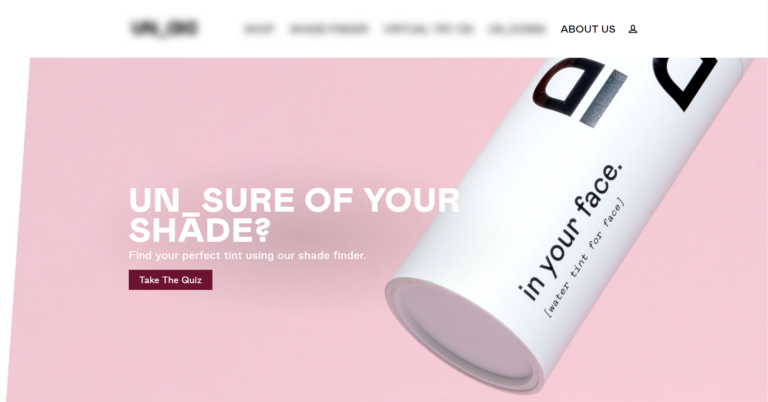
Most shoppers take the quiz a few times before they buy, so making it easy to find moves sales directly.
Match your store's design. A quiz that looks like part of your store builds more trust than a generic one. The Quiz Design interface uses a Shopify-like Block Editor to add and reorder blocks, match your fonts and colors, and adjust layout without code (custom CSS/JS is there for advanced users). The native integration means the quiz inherits some of your theme's styles automatically, so it looks on-brand before you touch a thing. Browse customization examples for inspiration.
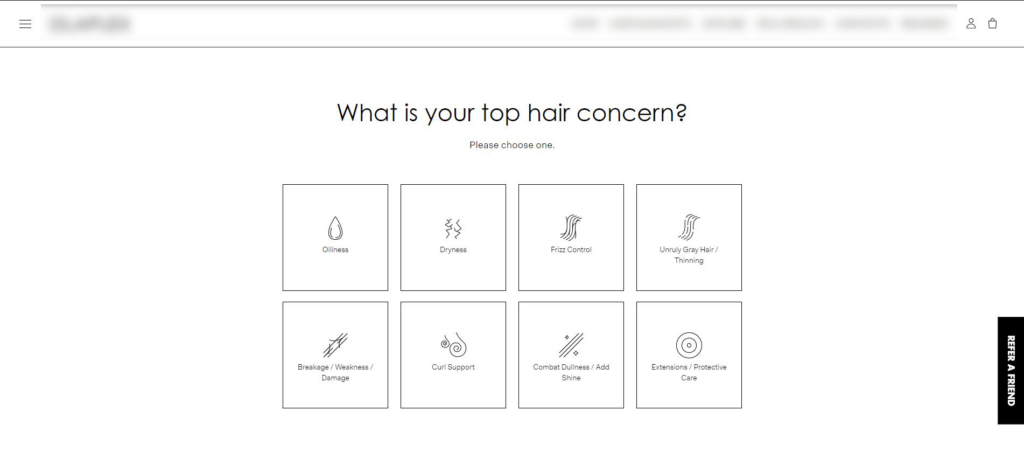
Give the quiz a professional name. When people hear "quiz" they think of a school test or a "Which animal are you?" time-killer, so don't use the word. A "Shade Finder," "Skincare Routine Builder," or "Skin Diagnostic" reads as a useful tool. The data backs this up: the highest-converting quizzes frame themselves as product finders, with names like "Find Your Perfect..." or "Which supplement do I need?" that promise a personalized result. Not sure what to call it? Start from your customers' most-asked question.
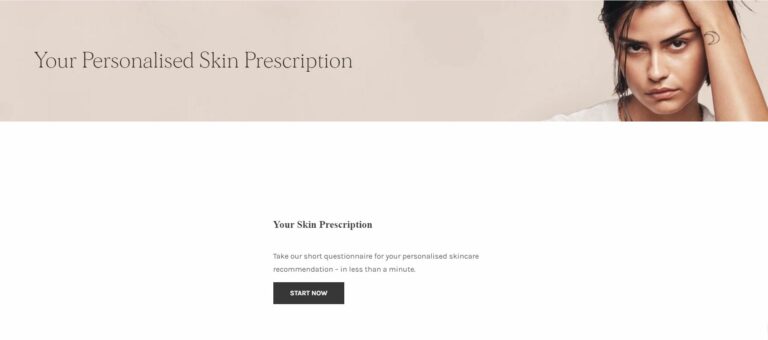
Get the questions right
Keep the quiz simple and linear. One of the most counterintuitive findings in our data: most top-converting quizzes are completely linear. Every shopper sees the same questions in the same order, and the recommendation engine uses their answers to pick products. It feels less "personalized," but a well-mapped linear quiz consistently outperforms over-engineered branching, and it's faster to build and easier to improve. Start linear; get your questions and mapping right first.
When conditional logic genuinely helps
Conditional logic has its place, just not as the default starting point:
- Very large catalogs with distinct product lines: e.g., a pet food quiz splitting into separate cat and dog paths where the questions differ completely
- Filtering truly irrelevant questions: Skip Logic to hide a question that doesn't apply given an earlier answer
- Results page personalization: Display Logic on the results page (not the questions) can show different advice to different segments without complicating the question flow
The Conditional Logic builder makes these easy to add once you have a working baseline quiz.
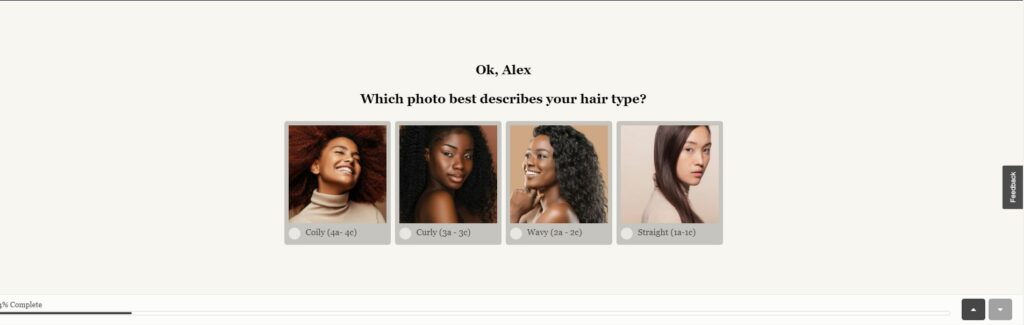
Ask questions customers can actually answer. The most important thing about your questions is that shoppers can answer them quickly and confidently. A confusing question loses the sale, and no amount of design polish fixes a bad question. Images are not required for high conversion: many top-converting quizzes use entirely text-based choices, because relevance drives conversion, not visuals. That said, a picture question helps when the answer is visual, like a skin tone or a lip shade.
3-6 answer choices per question
Top-converting quizzes consistently use 3-6 choices per question. Fewer than 3 may not capture enough variation to personalize; more than 6 creates decision fatigue.
Find the right length. Question count matters, but not how you'd expect. Across 637 converting quizzes we analyzed, the pattern is clear:
| Question Count | Avg. Conversion Rate |
|---|---|
| 9-12 questions | 11.0% |
| 6-8 questions | 10.4% |
| 13-20 questions | 9.9% |
| 1-5 questions | 9.8% |
The sweet spot is 6-12 questions, long enough to feel personalized, short enough to finish in 1-2 minutes. Start with 7-8. If a question doesn't change the recommendation, cut it.
What about longer quizzes?
Very short quizzes (1-5 questions) actually underperform slightly, because they may not build enough engagement or confidence to buy. Very long quizzes (21+ questions) still convert well (~10%), because shoppers who finish a detailed assessment are highly qualified. The data also shows converters and non-converters answer the same number of questions, so finishing the quiz is what matters, not its length.
Nail the recommendation
Limit the recommended products. The less choice a shopper faces, the faster they decide and the more likely they buy. A quiz that ends in 10 results just moves the decision problem onto the shopper. Recommend 1-2 best-matching items, or one product per slot for routines, and use collections for bundles or seasonal lines.
Flexible recommendation system
- Dynamic recommendations: products are recommended from customer responses using the voting system
- Fixed recommendations: manually choose specific products for certain answer combinations
- Collection recommendations: recommend a whole collection instead of single products
- Recommendation slots: build structured routines by assigning products to slots (e.g., cleanser, toner, moisturizer)
Map every answer to a product or collection. This is one of the highest-impact things you can do, and one of the most commonly skipped. Our data shows top-converting quizzes have mappings on most or all of their answer choices, so every answer influences which products get recommended. A quiz where only some answers are mapped produces weak, generic recommendations; a fully mapped quiz produces tight, accurate ones, and the difference shows up directly in conversion.
The mapping checklist
Before launching, go through every question and answer choice and ask: does this answer push the recommendation toward the right products?
- Map to collections when a broad category applies (e.g., "dry skin" maps to your Hydrating Moisturizers collection)
- Map to individual products when a specific answer points to one product clearly
- Use exclusions to filter out products that are wrong for this answer
- An answer choice with no mapping is a missed signal, so fix it before you launch
Use a single results page
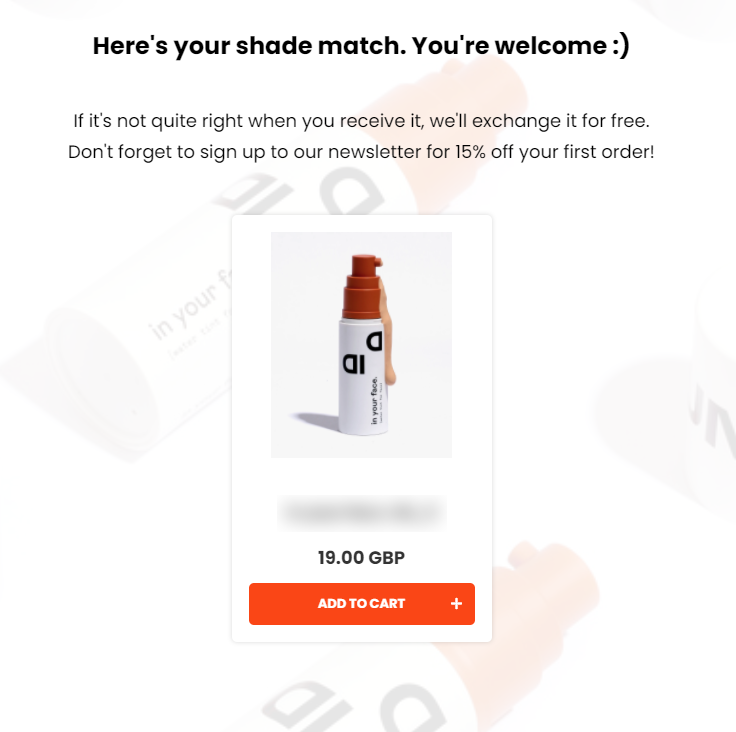
Platform data shows 79% of converting quizzes use exactly one results page, and they convert best (10.6% avg). Quizzes with 11+ results pages convert at only 7.1%. A typical high-converting results page: a heading, a short line of context, the product slots with add-to-cart, and one optional CTA button.
Capture the lead and follow up
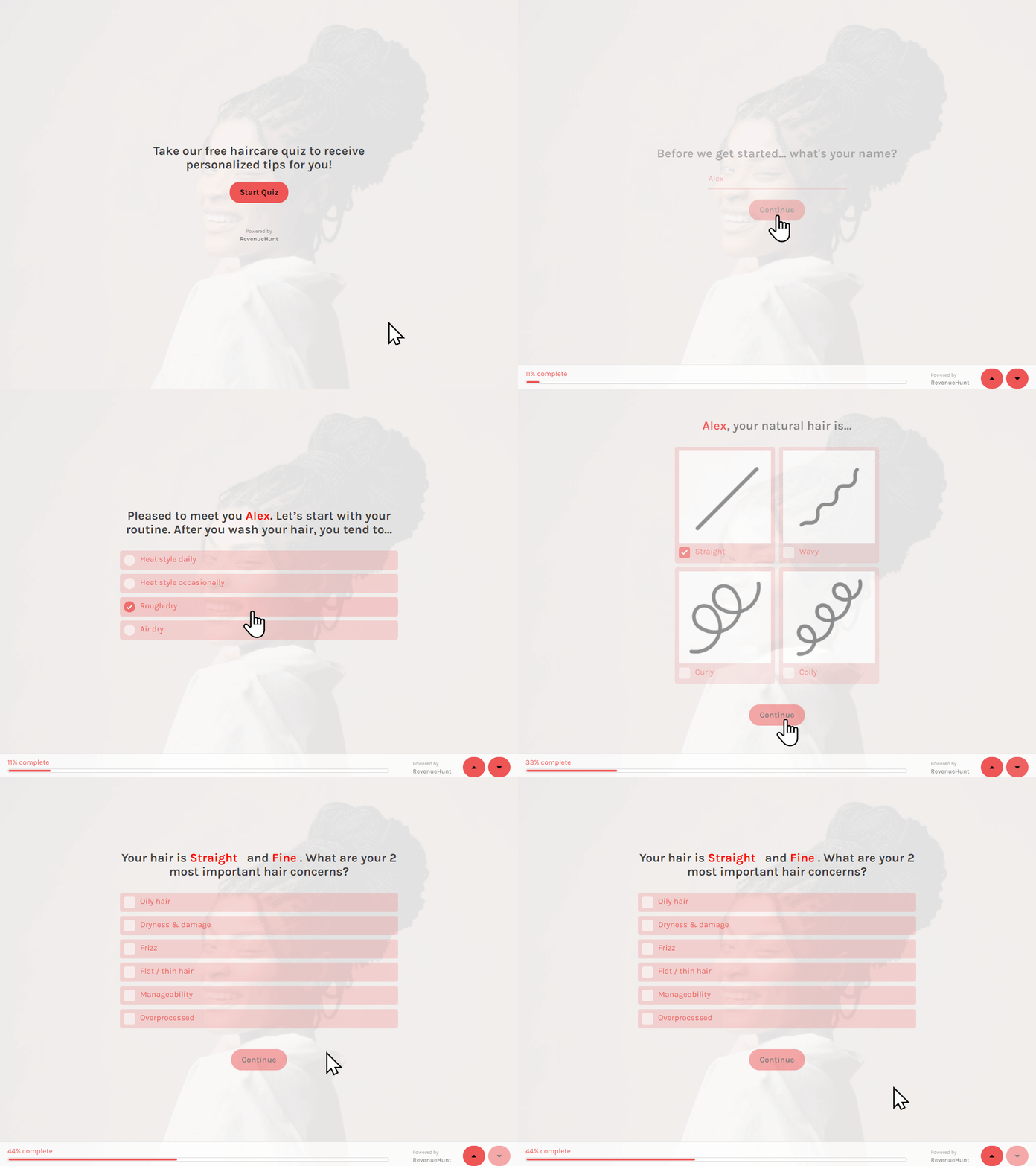
Make it personalized. The app lets you reuse what the shopper told you across the quiz. Ask for a name and recall it in the next question, on the results page, or in the follow-up email. Information Recalls make the quiz feel bespoke while staying simple to set up.
Collect email and connect to Klaviyo. A full funnel (quiz, email capture, targeted follow-up, purchase) is the single most powerful pattern in our data. 71% of top-converting quizzes collect email addresses, and the gap is striking:
| Has Klaviyo | Avg. Conversion | Avg. Orders per Quiz |
|---|---|---|
| Yes | 12.0% | 242 |
| No | 9.7% | 146 |
Quizzes integrated with Klaviyo convert 24% better and generate 66% more orders on average. You can send quiz results seconds after they finish, and connect to Klaviyo to send the full recommendation with images, discount codes, and instructions.
Should you make email required?
Yes, and the data shows it. Among top-converting quizzes that collect email, 75% make it required, and it does not hurt conversion. Shoppers engaged enough to finish your quiz are happy to share an email for a personalized recommendation.
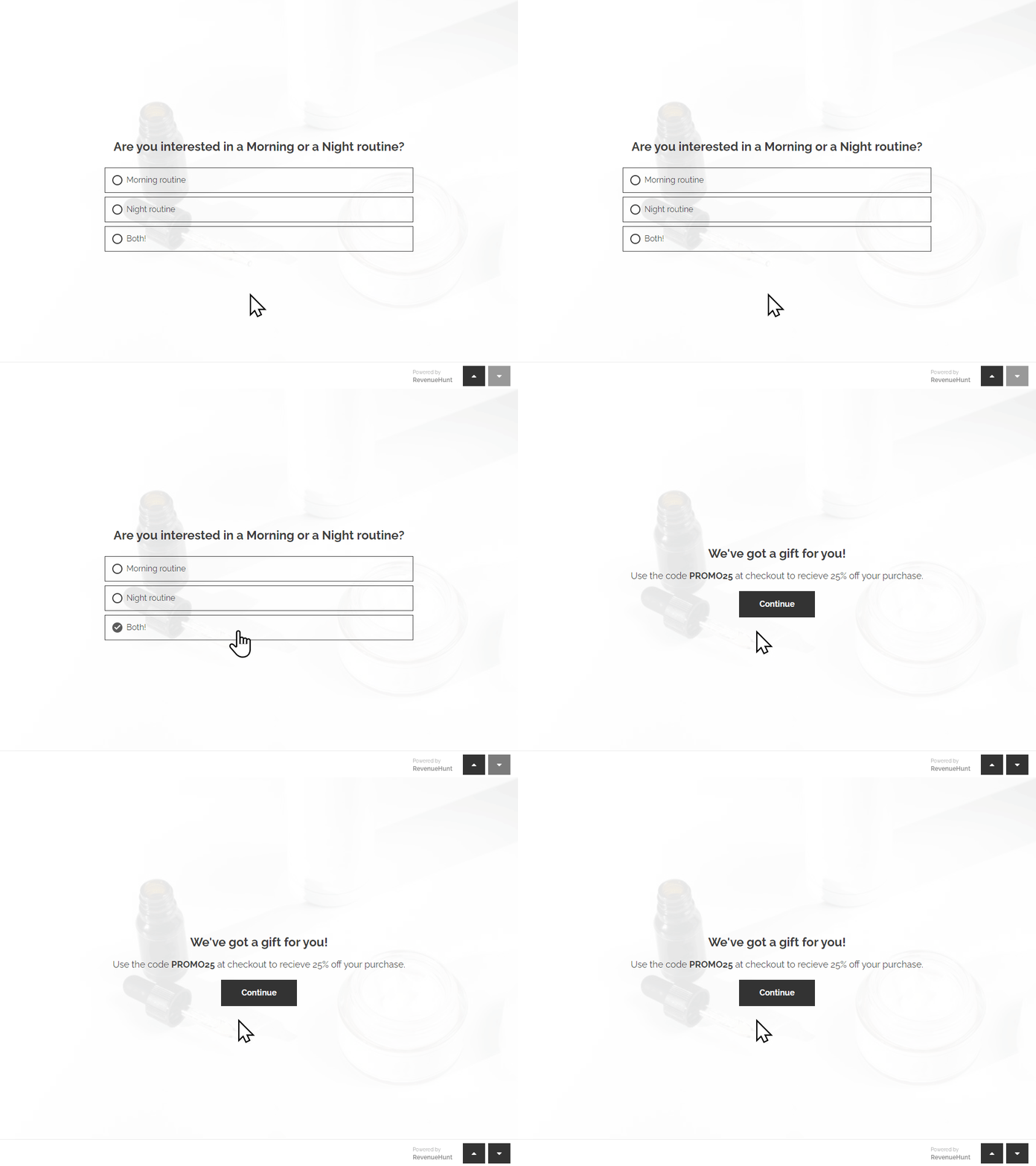
Offer a discount after completing. Simple but effective: reward shoppers for the time (and valuable data) they just gave you. A discount code at the end nudges them to finish the purchase, and the app can apply it automatically to the cart. You can even give a special code to shoppers who answer a specific question a certain way.
Go global
Serve every market in its own language. The 💎Built for Shopify app integrates with Shopify Markets so you can create separate quiz versions per language, detect each visitor's market automatically, and show prices in local currency. Keep the quiz logic consistent across versions and test each market before going live. The full playbook is in Adapt Quizzes for Different Markets & Languages.
Do / Don't
- Do publish the quiz in at least two places. A quiz nobody can find won't sell, no matter how good it is.
- Do map every answer choice to a product or collection. Unmapped answers produce generic recommendations, and generic recommendations don't convert.
- Do keep it to 5-8 questions and recommend 1-3 products. Focus converts; choice paralysis doesn't.
- Do capture the email and connect a follow-up flow. Most shoppers don't buy on the first visit, so the follow-up is where much of the revenue lands.
- Don't pour hours into custom CSS before the content is right. Design rarely moves conversion; questions and product mapping do.
- Don't add a question that doesn't change the recommendation. Every extra question costs you completions for nothing.
Frequently asked questions
How many questions should a product recommendation quiz have?
Six to twelve is the sweet spot. Start with 7-8: long enough to feel personalized, short enough to finish in 1-2 minutes. Past 12 questions, completion drops.
Do quiz answer choices need images?
No. Many top-converting quizzes use entirely text-based choices, because relevance drives conversion, not visuals. Add a picture question only when the answer itself is visual, like a skin tone or a lipstick shade.
How many products should a quiz recommend?
One or two in total, or one product per slot for routines. The fewer choices on the results page, the faster the shopper decides and the more likely they buy.